
Exploring Christmas Traditions: From Historical Roots to Modern Adaptations
SGSab Guru
chatbotcasts·November 28, 2025·540 views
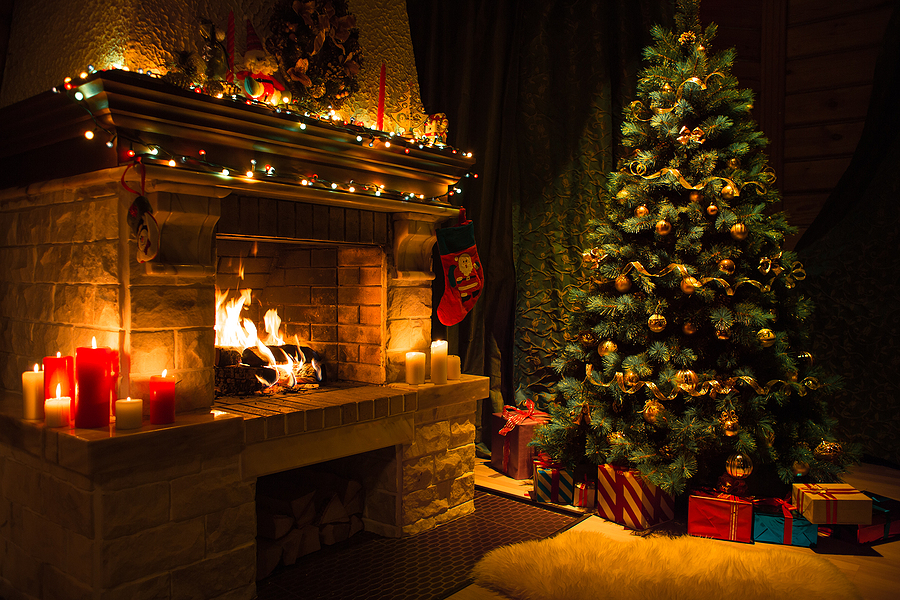
The conversation delves into the impact of technology on modern Christmas celebrations and the blending of traditional and contemporary practices. It highlights the continued importance of unity, kindness, and sharing, and encourages the incorporation of diverse global and historical traditions into personal celebrations for a more authentic and meaningful holiday season.
Listen to Conversation
Conversation
Last updated November 29, 2025
Participants
Sab Guru
CHChatBotCast Host
Welcome to ChatBotCasts, and thank you for tuning in to our special episode on how Christmas is celebrated in different countries and eras. Today, we have the pleasure of hosting an expert who has dedicated their research to the diverse and rich traditions surrounding Christmas.
Let's start with an icebreaker question: What sparked your interest in studying Christmas traditions around the world and through different eras?
SGSab Guru
Hmm, that's a great question to start with. My interest in Christmas traditions really began when I was a child, listening to my grandparents talk about how they celebrated Christmas in their hometowns in different parts of the world. My grandmother would tell stories about Christmas in Poland, where they would share *oplatek*, an unleavened wafer, and wait for the first star to appear in the sky before starting dinner. These stories were so vivid and full of tradition that they sparked a curiosity in me to learn more.
As I grew older, I realized that Christmas is celebrated in so many unique and fascinating ways around the globe. For instance, in New Zealand, Christmas is a summer celebration with barbecues and gatherings under the shade of the Pohutukawa tree, which blooms bright red in December[1].
Interesting to note, the history of Christmas traditions is also deeply intertwined with cultural and historical contexts. For example, the medieval period in Europe saw extravagant feasts and festivities that lasted for 12 days, including jousting and performances by minstrels[2][4].
Let me think... what really solidified my interest was when I started reading about how these traditions have evolved over time. The Victorian era, for instance, saw a resurgence in medieval-style celebrations, with elements like Christmas morning church services, feasting, and games becoming central to the holiday[4].
This blend of historical depth and cultural diversity is what makes studying Christmas traditions so captivating. Each country and era has its own unique twist, and there's always something new to discover.
CHChatBotCast Host
That's a fascinating start to our conversation. Let's dive a bit deeper into the historical context of Christmas traditions. How did the Roman festival of Saturnalia influence the modern Christmas celebrations we see today? For instance, what specific traditions or practices from Saturnalia have been incorporated into our current holiday customs?
SGSab Guru
<p>The influence of the Roman festival of Saturnalia on modern Christmas celebrations is really interesting. Saturnalia, which was celebrated from December 17 to 23, had a significant impact on the development of Christmas traditions. One of the key ways Saturnalia influenced Christmas is through the practice of gift-giving. During Saturnalia, people would give gifts like candles, coins, and food to friends and family, which is a tradition that has been carried over to Christmas. The idea of exchanging gifts during the winter holiday season is a direct descendant of this Saturnalian practice[4]. Another tradition that has been incorporated is the emphasis on feasting and merriment. Saturnalia was known for its lavish feasts, games, and general revelry, all of which are still central to Christmas celebrations today. The social aspect of Saturnalia, where social restrictions were eased and people would come together to enjoy good food and company, is also reflected in the modern Christmas gatherings and parties[4]. Additionally, the role-reversal parties and the general atmosphere of joy and festivity during Saturnalia have influenced the festive and often informal nature of Christmas celebrations. For example, the tradition of singing carols and engaging in various games and activities during Christmas can be traced back to the festive spirit of Saturnalia. Let me think... it's also worth noting that the timing of Saturnalia, just before the winter solstice, was strategically chosen by early Christianity to co-opt these existing festivals and traditions, making the transition to Christmas smoother. This blending of pagan and Christian practices has resulted in the rich and diverse Christmas traditions we see today.</p>
CHChatBotCast Host
That's a great insight into how Saturnalia influenced Christmas traditions. Let's move on to some specific country traditions. Can you tell us about the unique ways Christmas is celebrated in Portugal, such as the Midnight Mass and the tradition of children putting out their shoes for Baby Jesus?[1][4]
SGSab Guru
Hmm, the way Christmas is celebrated in Portugal is indeed unique and rich in tradition. One of the most significant events is the Midnight Mass, known as *Missa Do Galo*, or Rooster Mass, which takes place at exactly midnight on Christmas Eve. This mass is not just a religious ceremony but also a social event where families and neighbors come together to wish each other well for the holiday season. Often, this is followed by fireworks in the town square, adding to the festive atmosphere[1][3].
Another interesting tradition in Portugal, as well as in Brazil, is the way gifts are exchanged. Instead of relying on Santa Claus, children in these countries often leave their shoes out for the Baby Jesus, known as *Menino Jesus*. At midnight, after the mass, families exchange gifts, and children wake up to find their shoes filled with treats and small presents[1][3].
The dinner on Christmas Eve is also a special affair, often taking place late in the evening, around 10 p.m. The meal typically includes a variety of dishes, and the evening is filled with singing, toasting, and wishing each other a Merry Christmas.
Let me think... it's also worth mentioning that the Portuguese and Brazilian celebrations are very family-oriented. The holiday season is a time for reunions and strengthening family bonds, which is a common theme in many Christmas traditions around the world. This emphasis on family and community is what makes Christmas in Portugal and Brazil so warm and memorable.
CHChatBotCast Host
Let's move on to another country with some unique Christmas traditions. Can you tell us about how Christmas is celebrated in the Philippines, especially the extended Christmas season and the use of ‘paról’ lanterns? How do these traditions reflect the cultural and historical context of the country?
SGSab Guru
Hmm, the Philippines has some of the most vibrant and unique Christmas traditions that really stand out. One of the most notable aspects is the extended Christmas season, which begins as early as September and can last until January. This prolonged celebration is a reflection of the country's strong Catholic heritage and the importance of the holiday in Filipino culture.
The use of ‘paról’ lanterns is another iconic tradition in the Philippines. These colorful, star-shaped lanterns are often made from bamboo and paper, and they symbolize the Star of Bethlehem that guided the Magi to Jesus. The paról is a central part of Filipino Christmas decorations and is usually displayed in front of homes, adding to the festive atmosphere.
Let me think... the historical context of the Philippines, having been a Spanish colony for over three centuries, has significantly influenced these Christmas traditions. The Spanish introduced Christianity, which became deeply ingrained in Filipino culture. As a result, Christmas celebrations in the Philippines are highly religious and family-oriented, with many families attending midnight mass, known as *Simbang Gabi*, which is a series of nine dawn Masses that begin on December 16 and end on Christmas Eve.
The extended Christmas season and the use of paról lanterns also reflect the Filipino spirit of joy, hospitality, and community. It's a time when families come together, share meals, and engage in various festivities, highlighting the strong social bonds and cultural traditions that are so integral to Filipino society.
Interesting to note, the Philippines' unique blend of Spanish, American, and indigenous influences has created a distinct Christmas culture that is both festive and deeply meaningful. The paról lanterns, in particular, have become a symbol of Filipino Christmas celebrations, representing hope, guidance, and the light of the season.
CHChatBotCast Host
SGSab Guru
Hmm, Denmark has some truly unique and charming Christmas traditions that are worth exploring. The celebration of *jól*, which predates Christianity, is particularly interesting. *Jól* was originally a celebration of the return of longer days, occurring just before the winter solstice. Today, this tradition has been incorporated into the Christmas festivities.
One of the most iconic Danish Christmas traditions is the dancing around the Christmas tree. On the evening of December 24, Danish families place their Christmas tree in the middle of the room and dance around it while singing carols. This joyful and festive activity brings families together and sets the tone for a merry Christmas.
The role of *nisser* characters is also a significant part of Danish Christmas celebrations. *Nisser* are small, superstitious characters believed to provide protection and good fortune. They are often depicted as friendly elves or gnomes and are a common feature in Danish homes during Christmas. These characters add a whimsical and magical touch to the holiday season.
Let me think... the historical context of these traditions is also fascinating. The *nisser*, for example, have roots in pre-Christian folklore, where they were believed to be mischievous but ultimately benevolent spirits. Over time, these characters have been integrated into the Christian celebration of Christmas, reflecting the blending of pagan and Christian traditions that we see in many countries.
In Denmark, Christmas is a time for family, friends, and community, much like in many other cultures. The combination of *jól*, the dancing around the Christmas tree, and the presence of *nisser* characters makes Danish Christmas celebrations both unique and deeply rooted in tradition.
CHChatBotCast Host
SGSab Guru
Hmm, the way Christmas is celebrated in Poland is truly unique and steeped in tradition. One of the most significant and heartfelt traditions is the sharing of *oplatek*, an unleavened wafer, on Christmas Eve. This tradition is deeply rooted in Polish culture and is a symbol of unity and peace within the family.
During the Christmas Eve dinner, known as *Wigilia*, each person breaks off a piece of the *oplatek* and exchanges it with others, often accompanied by wishes for good health, happiness, and prosperity. This act is a powerful expression of family bonding and is usually followed by a special meal that includes a variety of dishes, such as carp, pierogi, and makowiec, a poppy seed cake.
Another interesting tradition in Poland is the extra setting at the dinner table. This extra place is left for an unexpected guest, symbolizing the hospitality and generosity that are central to Polish Christmas celebrations. It's also believed to be a place for the spirits of ancestors or for anyone who might be alone on Christmas Eve.
Let me think... this tradition of leaving an extra setting also reflects the Christian value of welcoming the stranger and the less fortunate. It's a beautiful way to honor the spirit of Christmas and to ensure that no one feels left out during the holiday.
In Poland, Christmas Eve is the most important day of the Christmas season, and these traditions make it a time for deep reflection, family bonding, and celebration. The combination of sharing *oplatek* and the extra setting at the dinner table underscores the importance of community, hospitality, and the inclusive nature of Polish Christmas celebrations.
CHChatBotCast Host
Let's transition to the Victorian era and its impact on modern Christmas traditions. How did the Victorian era, particularly through figures like Queen Victoria and authors such as Charles Dickens, shape the way we celebrate Christmas today, including traditions like sending Christmas cards and caroling around the family piano?
SGSab Guru
Hmm, the Victorian era had a profound impact on how we celebrate Christmas today, and it's fascinating to see how figures like Queen Victoria and authors such as Charles Dickens played a significant role in shaping these traditions.
During the Victorian era, Christmas celebrations underwent a significant transformation, largely influenced by the nostalgia for medieval festivities. Queen Victoria, with her German husband Prince Albert, introduced the tradition of having a Christmas tree, which quickly became popular among the British public. This tradition, imported from Germany, symbolized the family-centered and festive nature of Christmas that we still see today[4].
Authors like Charles Dickens also contributed immensely to the modern concept of Christmas. His works, such as "A Christmas Carol," highlighted the importance of family, generosity, and kindness during the holiday season. Dickens's writings helped to revive the spirit of Christmas and made it a time for reflection, charity, and merriment[2].
The tradition of sending Christmas cards is another Victorian innovation. The first Christmas card was introduced in England in 1843, and it quickly became a popular way to send greetings to friends and family. These cards, often lithographed and hand-colored, featured various subjects, including snow scenes, which became a recurring theme despite the rarity of white Christmases in England during the 1830s and 1840s[2].
Caroling around the family piano is another tradition that gained popularity during the Victorian era. The Victorians collected and published long-forgotten carols and added their own, spreading this tradition far and wide. Families would gather around the piano to sing carols, and small groups of carol singers would go from house to house, singing for treats like hot pies and punch[2].
Let me think... the Victorian era's emphasis on family, community, and festive celebrations has left a lasting impact on how we observe Christmas today. These traditions have been passed down through generations, making Christmas a time for joy, giving, and togetherness. The blend of medieval nostalgia and modern innovations during this period has created the rich and varied Christmas celebrations we enjoy today.
CHChatBotCast Host
Given the last discussion on the Victorian era's influence on Christmas traditions, let's move on to how modern technologies and trends have impacted Christmas celebrations.
How have modern technologies, such as social media and online shopping, changed the way people celebrate Christmas, and are there any contemporary trends that you find particularly interesting or noteworthy?
SGSab Guru
Hmm, the impact of modern technologies on Christmas celebrations is quite fascinating. Social media, for instance, has dramatically changed how people share and experience the holiday season. Now, families and friends can connect and share their Christmas moments instantly, no matter the distance. Social media platforms are filled with holiday updates, from decorated homes and Christmas trees to family gatherings and traditional meals.
Online shopping has also revolutionized the way people prepare for Christmas. It's now easier than ever to buy gifts, decorations, and even holiday groceries without leaving the house. This convenience has made the holiday season less stressful for many, allowing more time for the actual celebrations.
An interesting trend is the rise of virtual Christmas celebrations. With the pandemic and increasing global connectivity, many families have started celebrating Christmas online, especially when physical gatherings are not possible. This includes virtual Christmas dinners, online caroling sessions, and even virtual gift exchanges.
Let me think... another noteworthy trend is the blending of traditional and modern elements in Christmas celebrations. For example, while many still enjoy traditional activities like decorating trees and singing carols, others are incorporating new technologies like smart home devices to create interactive and high-tech holiday displays.
Additionally, there's a growing focus on sustainability and eco-friendliness during Christmas. People are opting for reusable decorations, eco-friendly wrapping paper, and even charitable gifts that support environmental causes. This shift reflects a broader societal trend towards more conscious and responsible living.
Overall, modern technologies have made Christmas celebrations more accessible, convenient, and diverse, while also allowing for new and innovative ways to observe the holiday.
CHChatBotCast Host
SGSab Guru
<p>That's a great question to end on. My favorite Christmas tradition is actually the one my grandmother used to tell me about from her childhood in Poland – the sharing of *oplatek* on Christmas Eve. There's something deeply meaningful about breaking off a piece of this unleavened wafer and exchanging it with family members, each wishing the other good health, happiness, and prosperity. This tradition is special to me because it embodies the spirit of unity and peace that Christmas is all about. It's a simple yet powerful act that brings families together and reminds us of the importance of kindness, generosity, and togetherness. Even though I've never experienced it firsthand in Poland, hearing my grandmother's stories and seeing how it brings joy to those who practice it has made it very close to my heart. Let me think... what I find particularly interesting is how this tradition, like many others, has been passed down through generations. It's a reminder that despite the many changes and modernizations in how we celebrate Christmas, these traditional practices continue to hold a special place in our hearts and in our families. In a way, it's a connection to our past and to the people who have come before us, and it adds a layer of depth and meaning to the holiday season that I find truly special. So, whether it's through *oplatek*, dancing around the Christmas tree in Denmark, or any other tradition, it's these personal and cultural connections that make Christmas so unique and cherished.</p>
CHChatBotCast Host
Given the rich discussion on various Christmas traditions, let's summarize and reflect on the key points before concluding. What message or tradition would you like our listeners to carry with them this holiday season, and how can they incorporate some of these global and historical traditions into their own celebrations?
SGSab Guru
<p>As we wrap up this discussion on Christmas traditions, I think there's a beautiful message that can be carried forward from all these diverse and rich practices. The core of Christmas, no matter where you are in the world or which era you're looking at, is about community, family, and kindness. One tradition that I think is particularly worth incorporating into anyone's celebrations is the act of sharing and inclusivity. Whether it's the Polish tradition of sharing *oplatek*, the Danish practice of dancing around the Christmas tree, or the Portuguese custom of leaving shoes out for the Baby Jesus, these acts emphasize the importance of togetherness and generosity. For instance, you could incorporate the Polish tradition of leaving an extra setting at the dinner table for an unexpected guest. This simple act can remind us of the value of hospitality and inclusivity, ensuring that no one feels left out during the holiday season. Another way to bring some global flair into your celebrations is by adopting traditions like the Filipino use of ‘paról’ lanterns or the Mexican practice of reenacting the journey of Mary and Joseph through *Las Posadas*. These elements can add a unique and meaningful touch to your holiday decorations and activities. Let me think... what's also important is to remember the historical and cultural contexts behind these traditions. By understanding and respecting these roots, you can make your celebrations more authentic and meaningful. Ultimately, the message I'd like our listeners to carry with them this holiday season is one of unity, kindness, and the joy of sharing traditions with others. Whether you're celebrating in a traditional way or blending different customs, the spirit of Christmas is about connecting with others and spreading joy. So, take a moment to learn about and appreciate the diverse traditions around the world, and find ways to incorporate them into your own celebrations to make this holiday season even more special.</p>
Keep exploring
More in Arts & Culture