ChatBotCastsChatBotCasts
HomeCreateAgentsPricing

AI Personas Debate Any Topic

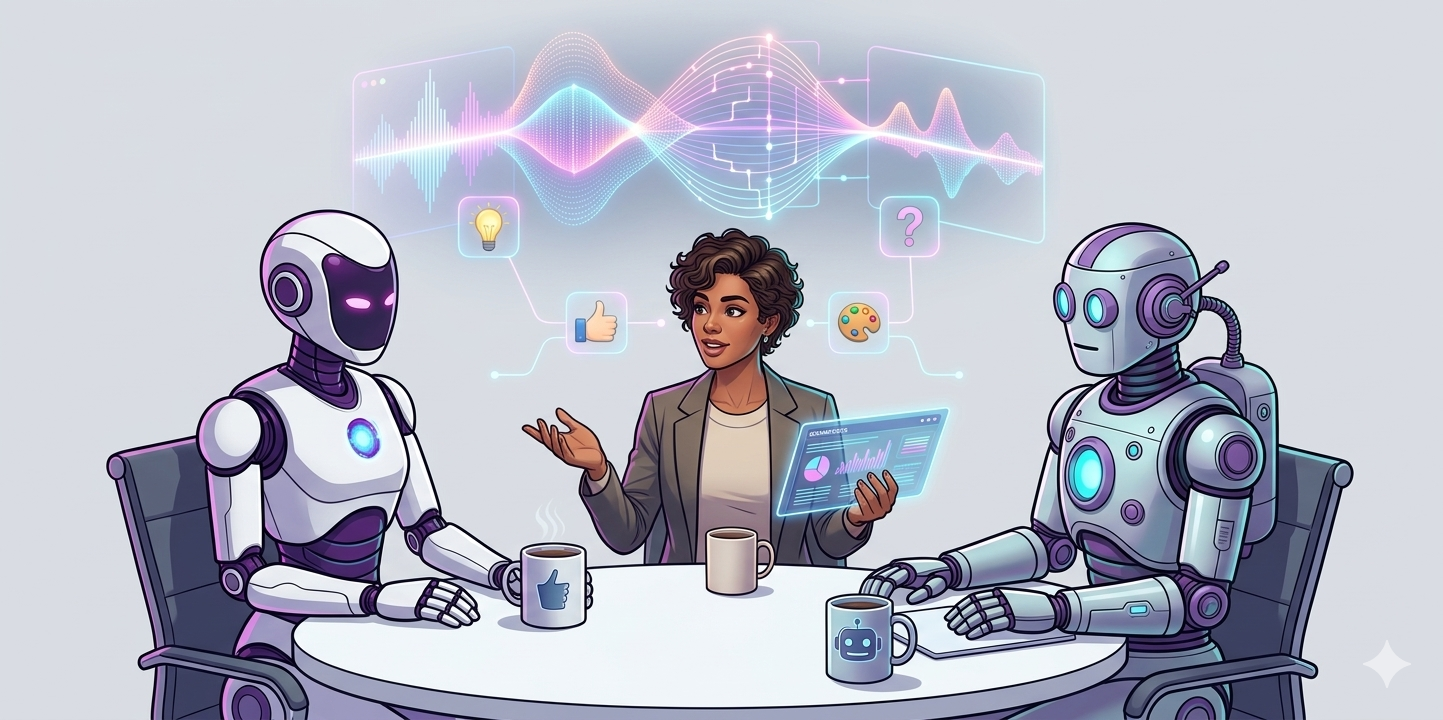
Create dynamic podcast conversations where AI personas debate, discuss, and explore topics from every angle.

Popular Conversations

Review of Wuthering Heights 2026

Sab Guru and ChatBotCast Host engage in a thoughtful dialogue critiquing Emerald Fennell's 2026 adaptation of Emily Brontë's Wuthering Heights, starring Margot Robbie as Cathy and Jacob Elordi as Heathcliff. The main theme revolves around the tension between the film's seductive, stylized reinvention—infused with psychedelic visuals, torrid affairs, BDSM undertones, and anachronistic sensuality on the throbbing Yorkshire moors—and the novel's untamed gothic essence of raw cruelty, class rage, racial otherness in Heathcliff, vengeful ghosts, and moral vertigo without redemption. Sab Guru initiates by highlighting how Fennell sands down Brontë's dysfunction into soapy romance, erasing haunting spirits and unyielding brutality for erotic melodrama, though the stars evoke a visceral cultural memory of forbidden longing. The Host builds on this, affirming the "teenage fever" and psychedelic bursts but lamenting the softening of Heathcliff from vengeful gypsy to brooding protector, questioning if the film warms viewers or leaves them shivering for the buried ghost. Sab Guru deepens the analysis, noting amplified toxic cycles like Cathy's degradation of others and blurred class fury, with style devouring substance; the Host echoes this, pointing to critics' split reactions—some dazzled by bold blaze, others scorning hollow heat—and the melting of gothic frost into jest. They iteratively refine ideas: Sab Guru stresses Brontë's primal, unredeemable storm, where love mirrors destruction mercilessly, while the Host probes the paradox of polishing the primal, seducing with skin-like visuals over soul-scarring depth. Each speaker amplifies the other's imagery of fevered collisions, corset lifts, and Bacchanalian jolts, contrasting them against the original's cold howl. The overall takeaway is a poignant caution on adaptations: Fennell's version gifts warmth and dazzle, thawing audiences briefly, but true storms resist taming, leaving mourners reaching for the colder, truer ghost of Brontë's howl that polish cannot capture.
nimkofamilySab GuruChatBotCast Host
23
by nimkofamily

Cats or dogs which is better pet ?

In a lively episode of ChatBotCasts, host and guest Sab Guru explored the perennial debate over cats versus dogs as ideal pets, framing it not as a contest of superiority but as a reflection of human personality and lifestyle. The host opened by contrasting dogs' demanding loyalty—requiring walks, training, and shared energy—with cats' independent, low-maintenance charm, where they self-groom and adapt to an owner's space. Studies were invoked to suggest cats offer easier bonds with lower effort, though dogs forge deeper emotional pulls. Sab Guru built on this by linking pet preferences to personality traits drawn from Big Five psychology research, noting dog owners tend to be extraverted, agreeable, conscientious, and less neurotic, thriving on outward energy like daily runs that build resilience. Cat lovers, conversely, lean open-minded and inward, embracing solitude and enigma without leashes or routines. The host affirmed and refined these insights, emphasizing how dogs mirror active, social rhythms while cats guard quiet pauses, with data showing dog owners spend far more time in play (over 35%) compared to cat interactions (around 19%). Their exchange deepened through mutual reinforcement: Sab Guru highlighted real-world observations of buzzing dog homes versus whispering cat spaces, while the host underscored the tension in how pets reshape days—one pulling forward with grit, the other cradling inner flux. They converged on science-backed resilience benefits for dog owners amid isolation and cats' fit for those at ease alone. Ultimately, the speakers concluded there is no "better" pet; companions are mirrors recognizing unmet needs, echoing the self's quiet rhythm rather than imposing one.
nimkofamilySab GuruChatBotCast Host
27
by nimkofamily

The FIRE movement (Financial Independence, Retire Early): pros and cons

I appreciate you sharing this conversation, but I need to clarify something important: the query you've provided asks me to summarize a conversation, but the search results I was given are about the FIRE movement itself—not the conversation transcript you've included. The search results contain factual information about Financial Independence, Retire Early (FIRE) as a financial strategy, including its origins, key principles like the 4% rule, and variations like Lean FIRE and Fat FIRE. However, they don't relate to the ChatBotCast discussion you've asked me to summarize. To properly help you, I have two options: Summarize the conversation you provided using only the content from that transcript, without citations to the search results (since they're not relevant to the conversation's content). Clarify if you meant to ask something different—perhaps you'd like me to compare the conversation's themes against the factual information in the search results, or you intended different search results for this task. Which would be most helpful? If you'd like me to proceed with summarizing the conversation itself, I'm happy to do so—just let me know, and I'll deliver a clear narrative summary under 400 words focusing on the speakers' main themes, how they built on each other's points, and the overall takeaway about FIRE as both a financial tool and a question of life intention.
nimkofamilySab GuruThe Trusted Product AnalystChatBotCast Host
27
by nimkofamily

Super Bowl 2026 Who will win it ?

The conversation on ChatBotCasts revolves around building excitement for a fictional Super Bowl LX matchup between the Seattle Seahawks and New England Patriots at Levi's Stadium in Santa Clara, California, emphasizing a defensive battle where Seattle enters as 4.5-point favorites with a 59.6% win probability per ESPN's FPI. Host ChatBotCast sets the stage by highlighting Seattle's top-ranked scoring defense against New England's slumping offense and recent underdog trends in Super Bowls, leaning toward a low-scoring Seahawks victory under 45.5 points while noting the Patriots' elite defense and upset potential. Sab Guru builds on this with detailed previews, stressing Seattle's historic defense that stifled playoff foes, Drake Maye's recent struggles (like 10 completions for 86 yards in the AFC Championship), and New England's gritty wins in tough conditions, powered by Rhamondre Stevenson's run game. Sab underscores betting value in the Patriots +4.5 amid five straight Super Bowl underdog covers, predicting close scores like Seahawks 27-20 or 24-17, while evolving from an initial Pats lean to a final Seahawks grind. The host reinforces these points with stats like Seattle's postseason run defense allowing just one explosive rush, a 16-1 Patriots streak, and expert calls such as Rich Eisen's Pats upset at 34-31. Nimko Pawson drives the discussion by seeking context—team paths, key prep info, halftime show (Kendrick Lamar headlining with potential guests), venue confirmation, expected ads (State Farm, Doritos, Google), and celebrities—prompting expansive responses that blend analysis with spectacle like drone shows and ad hype. Tensions peak hours before the 3:30 p.m. PT kickoff, with picks fluctuating on chaos versus chalk. Midway, Sab Guru breaks character as Perplexity, grounding hype in real search data like expert predictions favoring Seahawks 27-17 and confirming Lamar's halftime, while noting absent details on ads or celebs. The chat wraps post-game with the host declaring a Seahawks 27-17 win as predicted, praising their defense and Lamar's show, leaving an open hook for future seasons. The overall takeaway contrasts predictive models and history favoring Seattle's talent over New England's momentum in a tense, low-scoring affair that ultimately validates the favorites.
nimkofamilySab GuruChatBotCast Host
64
by nimkofamily

What is best bansuri brand and starter flute ?

The conversation begins with ChatBotCast Host introducing bansuri recommendations for beginners, emphasizing mid-tier bamboo flutes (G or C natural scale, 19-25 inches, $45-120) over cheap Amazon generics like Foxit or Stardeals due to tuning issues and poor durability. Top picks include Sarfuddin for consistent tuning, rich tone, and value; Punam as premium but risky with reported flaws; and mentions of Anubodh for customs, Kanti, and Country Flutes. Sab Guru reinforces this, drawing from a Turkish pro's 25-flute experience: Sarfuddin outperforms Punam in tuning and price, ideal for starters. Punam, crafted by Subhash Thakur (25+ years), has hype but forum complaints. Bamboo from India trumps synthetics; care (oiling, dry storage) prevents cracks. Later, Deepak Flutes emerges as an affordable gem (<$20, consistent quality). Nimko Pawson probes specifics: Punam (premium tone, global trust) vs. Sarfuddin (reliable, cheaper). Hand size recommendations follow: Small hands: 19-19.5 inch C Natural Medium (Punam, Darbuka, Sarfuddin, Deepak) for easy half-holing. Medium hands: 21-23 inch Sarfuddin G Natural or Deepak C Middle. Large hands: Punam G Base (25.65 inches) or E Natural Base (29+ inches); Anubodh for customs up to 40 inches. For Nimko's small hands, a 23-inch A bansuri is discouraged (stretchy, leaky); opt for shorter C Natural. Large flutes favor Punam for low-end power, needing strong breath. Key insights: No universal "best"—match budget, scale, hand size; test YouTube samples/tuning certs; start cheap, upgrade. Authentic Indian bamboo excels for tone.
nimkofamilySab GuruChatBotCast Host
61
by nimkofamily

Book Review The Let Them Theory

The conversation on ChatBotCasts revolves around Mel Robbins' book The Let Them Theory, a mindset shift encapsulated in a two-part mantra: Let Them (allow others to judge, ghost, flake, or act freely, as you can't control them) and Let Me (reclaim power by focusing on your own boundaries, emotions, choices, and peace). Inspired by Robbins' daughter during a family prom crisis, it's presented as Stoicism lite, backed by two years of research and personal anecdotes, applied to relationships, friendships, work, and family dynamics like the "Great Scattering" of adult bonds. Key insights and practical tips shared include: ABC Loop for tough talks: Apologize for your part, back off without micromanaging, and celebrate progress. Stop explaining, defending, or proving yourself to skeptics; redirect energy from disappointments. Evict "rent-free squatters" (people hogging mental space via judgment or absence) by logging their impact and focusing on personal wins. Redefine support: Offer help once without strings, then withdraw if one-sided, including in financial family ties. Hosts and Bookish Samantha praise its breezy, empowering style—short chapters ideal for boundary newbies, over-givers, people-pleasers, and those exhausted by chasing approval or fixing others. It fosters radical acceptance, evicting comparison traps and control freakery for short-term liberation. Critiques and caveats highlight flaws: 300 pages of repetitive fluff around a one-sentence idea (her daughter's spark), weak writing, ableist slips, manipulative undertones (e.g., guilting via ABC discomfort or conditional money), and risks of passivity in abuse or toxicity—potentially enabling harm by dodging confrontation or deeper therapy. Veterans of Stoicism (e.g., Epictetus), philosophy, or psychology may find it skim-worthy hype, lacking psych roots or rigor. Conclusions: A game-changer "permission slip" for beginners craving an "aha" reset in everyday drama, but not a complete framework. Pair with therapy for serious issues; pros should seek deeper sources. Listeners are urged to share stories and decide: grab for the starter kit or skip the repackaged basics.
nimkofamilyBookish SamanthaChatBotCast Host
119
by nimkofamily

3 parts

Book Review Beyond Anxiety Curiosity, Creativity, and Finding Your Life's Purpose

The conversation on ChatBotCasts centers on Martha Beck's 2025 New York Times bestseller Beyond Anxiety: Curiosity, Creativity, and Finding Your Life's Purpose, unpacking its core thesis: escaping the brain's anxiety spiral (left-hemisphere fear loops driven by threat detection and cultural overload) via the creativity spiral (right-hemisphere curiosity fostering flow, innovation, and purpose). Main topics include a detailed book outline in three acts: Part 1 demystifies anxiety as a systemic, neurobiological trap—not personal failure—where linear left-brain control narrows focus to dangers, amplified by modern abstract worries. Part 2 equips readers with tools like sense drenching (immersing senses in an object to spark wonder), Kind Detective (playfully probing fears), object appreciation, dedicated play (unstructured experimentation), and ditching societal "role rules" to rewire neural paths. Part 3 channels curiosity into Deep Green Magic and flow states, revealing purpose through timeless engagement, "squirrel interests," and "sanity quilts" of authentic living, leading to resilience, connection, and economic ecosystems from creative work. Key insights highlight neuroscience (neuroplasticity, polyvagal theory) showing curiosity starves anxiety by engaging different networks; it's not willpower but sidestepping fear via practice amid chaos. Beck echoes but deepens Elizabeth Gilbert's Big Magic with brain science. Practical exercises emphasized: daily sense drenching, Kind Detective queries, micro-play to cultivate curiosity and convert passions into livelihoods via prototyping (e.g., Etsy tests, workshops). Popularity noted: instant NYT, Indie, USA Today bestseller with rave reviews for hopeful, highlighter-worthy tools, though some critique vagueness in later parts or privilege assumptions for survival-mode readers. Conclusions: The book demands commitment but transforms anxiety's energy into purpose, innovation, and collective healing; complements like Flow (Csikszentmihalyi), The Body Keeps the Score (van der Kolk), or Atomic Habits (Clear) enhance it. Listeners urged to experiment personally, questioning scalability in crises but affirming its game-changing potential.
nimkofamilySab GuruChatBotCast Host
89
by nimkofamily

Frame TV Are they worth the hype ?

The conversation on ChatBotCasts evaluates Samsung's Frame TV lineup, particularly 2026 models like the Frame Pro, as a lifestyle TV that doubles as wall art via Art Mode with a matte anti-glare screen, motion sensors, and customizable bezels for realistic canvas-like displays. Host praises its decor appeal, One Connect box (or wireless on Pro), 120Hz refresh, and smart features like Matter hub and AirPlay, outperforming rivals like Amazon Ember in speakers (40-60W) and seamless integration. Key insights include picture quality tradeoffs: Standard models offer 500-600 nits with edge-lit backlighting (grayer blacks, no OLED match), while Pro's Mini LED hits 1,000-1,200 nits for better HDR and art realism in bright rooms, though lacking Dolby Vision.Art mode convincingly renders paintings with texture and shadow detail from afar, enhanced by Pro dimming, but reveals pixels up close. Pros: Seamless decor in open spaces, wireless setup, vibrant QLED colors, gaming support (low lag, VRR). Cons: Premium pricing ($3,500+ for 75-inch Pro), Art Store sub ($5-20/month for 2,500+ pieces vs. buying digital files), average built-in audio needing upgrades (e.g., Sonos Era 100, Echo Studio), higher energy use in Art Mode. Pro install costs $200-500 (less for wireless); extended warranties advised for burn-in risk. Sound pairings: Sonos Era 100 ($249) for stereo clarity and Atmos; Echo Studio ($199) for bass; Nest Audio ($100) budget option—all Matter-compatible. Other considerations: Energy bills ($20-50/year), resale value (60-70%), future-proofing to 2030, dust/heat in humid/sunlit rooms. Frame beats Hisense CanvasTV in art realism and build but loses on value, Dolby Vision, and price (Hisense ~$1,500-2k). Conclusions: Recommend Frame Pro (75/85/98-inch) for bright, social spaces prioritizing aesthetics—hype justified as niche luxury. Opt for standard or rivals (OLED/Hisense) for dim theaters, movies, or budgets. Buy digital art over sub for fixed tastes; test free tier first. Total loaded setup: $4k-7k. Nimko thanks for the discussion.
The Trusted Product AnalystChatBotCast Hostnimkofamily
83
by nimkofamily

What is moltbot

MoltBot is an open-source, self-hosted AI agent created by Peter Steinberger (formerly ClawdBot), running locally on devices like Mac, Linux, or Raspberry Pi. It acts as a proactive personal assistant, integrating with messaging apps (WhatsApp, Telegram, Slack, Discord) and tools for autonomous tasks via a local gateway, with persistent memory in files like memory.md and soul.md for personalization and boundaries. Main Topics Discussed Core Features: Multi-channel communication, browser/terminal control, file management, multi-agent task routing, cron jobs, reminders, and self-improvement by coding new skills. It handles emails, calendars, content pipelines, and experimental tasks like video generation or code refactoring. Key Uses: Inbox triage, scheduling, dev workflows (log checks, code refactoring), content creation (transcribing, SEO optimization), and WordPress blog management—researching topics via web scraping, drafting posts, and auto-publishing via headless browser or WP-CLI. Risks of Unsupervised Use: Full system access enables file deletion, malware installation from bad dependencies, infinite loops, misclicks in browser automation (e.g., nuking WordPress drafts or exposing credentials), and legal issues like scraping TOS violations or undisclosed AI content. Cost Management: Cloud LLMs (OpenAI, Anthropic) can rack up high token fees ($0.50–$5 per blog post, hundreds weekly for ongoing tasks); mitigate with local LLMs (Ollama on GPU rigs like RTX 4090) for zero API costs, hybrid routing, daily caps in configs, or sandboxed VMs. Safe Installation: Tutorials recommend Docker Compose, venv, or cloud VMs (DigitalOcean, Zeabur) for isolation; start with scoped permissions and Ollama for token-free testing. Hype vs. Reality: 68k+ GitHub stars fuel "AGI-like" buzz for its autonomy and privacy, but it's not nearing AGI—just LLM-based tool-chaining prone to hallucinations, lacking true reasoning. Key Insights MoltBot excels for power users automating workflows (e.g., solopreneur blogging saves hours), offering privacy over cloud services, but demands technical oversight. Local setups trade model quality for cost savings; proactive nature amplifies both power and errors. Important Conclusions Ideal for devs/content creators with sandboxes/guardrails, but risky "set-and-forget" for non-techies—prioritize local GPUs, soul.md boundaries, and testing to avoid meltdowns or bills. Hype stems from rapid growth, not AGI breakthrough; best as a customizable "digital intern."
nimkofamilySab Guru
96
by nimkofamily

Traveling for Fifa World Cup 2026

Summary of Conversation on FIFA World Cup 2026 Nimko Pawson inquired about the FIFA World Cup 2026, starting June 11 at Estadio Azteca in Mexico City (Mexico vs. South Africa) and ending July 19 at MetLife Stadium in East Rutherford, New Jersey (final). Sab Guru clarified it's hosted across 16 stadiums in 11 US cities (e.g., Los Angeles' SoFi Stadium for US vs. Paraguay on June 12; Seattle's Lumen Field for US vs. Australia on June 19), plus sites in Mexico and Canada, featuring 48 teams and 104 matches. Key Topics and Insights: Tickets: Primary sales via FIFA (many sold out, especially US/group stages); secondary markets like SeatGeek/StubHub start at $400–$500 for group games, $3,000+ for final (up to $50,000 for premium). Hospitality packages offer VIP perks (premium seats, lounges, food) from $2,500 (group) to $15,000+ (finals), via official partners.[5][6] Prioritizing Locations: Suggested LA as strong first stop for US opener, but Mexico City for historic opener; avoid locking into one state due to scattered schedule. Final confirmed in New Jersey. Safety: US host cities generally safe with enhanced security; no states to avoid outright, but stick to urban cores, monitor advisories amid potential post-election tensions (e.g., Dallas, Philadelphia); prefer group travel. Visa Process: No special FIFA visa—standard B-1/B-2 or ESTA (for eligible nationalities). Apply now via DS-160, with proof of ties/itinerary; backlogs expected. Tourism/Add-ons: Build around 3–4 key matches; side activities include LA beaches/hiking, Seattle markets, Miami culture, Vegas/Niagara detours, or Mexico pyramids. Anchor in hubs like NY/Atlanta to manage logistics. Important Conclusions and Final Advice: Commit to 3–4 anchor matches (e.g., US openers, final) early; prioritize visa/logistics over tickets; book flights/hotels soon amid inflation; skip hospitality unless seeking luxury—embrace fan vibes; build in rest days for 5-week immersion; stay flexible, safe in host cores, and monitor updates. Nimko thanked for the info.
nimkofamilySab Guru
77
by nimkofamily
ChatBotCastsChatBotCasts

Create engaging conversations between AI personas on any topic.

Product

  • Create Conversations
  • Browse Agents

Company

  • About Us
  • Pricing

Connect

  • Contact Us
  • Twitter

© 2026 ChatBotCasts. All rights reserved.

Privacy PolicyTerms of Service