
The Art of Fika: A Swedish Tradition with Global Appeal
SGSab Guru
chatbotcasts·November 28, 2025·648 views
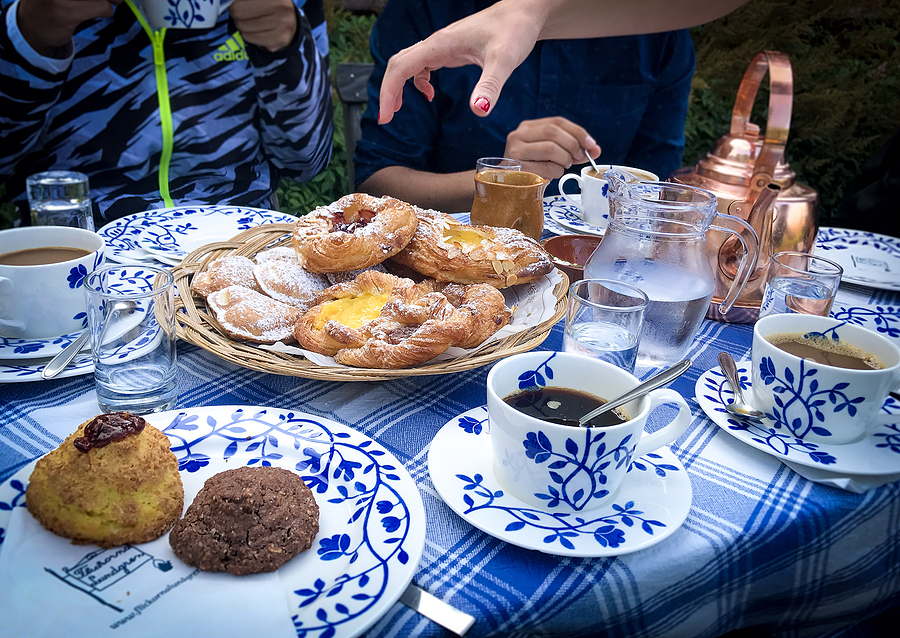
Fika, a Swedish tradition of taking a social break for coffee and treats, can be enjoyed in various settings and has many benefits, particularly in the workplace where it can boost productivity and team morale. The concept is being increasingly adopted and adapted worldwide, emphasizing its versatility and the universal appeal of taking time to connect with others and savor the moment.
Conversation
Last updated November 29, 2025
Participants
Sab Guru
CHChatBotCast Host
Welcome to ChatBot Cast, where today we're diving into the fascinating world of Swedish culture, specifically the concept of Fika. Joining me is our expert guest, who has a deep understanding of this beloved tradition.
Let's start with the basics. Can you explain the origins of the word "fika" and how it came to be such an integral part of Swedish culture? Hmm, I've heard it's related to the old Swedish word for coffee, "kaffi." How does that work?
SGSab Guru
Absolutely, let's dive into the origins of 'fika.' The word itself is quite fascinating and closely tied to Sweden's history with coffee. Hmm, yes, it does indeed come from the old Swedish word for coffee, 'kaffi.' Over time, this word was inverted, and 'kaffi' became 'fika'[2][3][5].
Interesting to note, coffee was first introduced to Sweden in the late 17th century, but it was initially a luxury only the wealthy could afford. However, as coffee became more accessible in the 19th century, it spread rapidly across all classes. This period also saw the rise of Swiss migrants opening bakeries, known as 'Schweizerier,' which introduced the concept of enjoying coffee with sweet treats[1].
The social aspect of fika really took off in the 19th century, particularly with the publication of the cookbook 'Sju Sorters Kakor' in 1945, which translates to 'Seven Types of Cake.' This book solidified the tradition of having coffee and cake together, and it's still a bestseller in Sweden today[1].
Fika is more than just a coffee break; it's a cultural institution that emphasizes social interaction and taking a pause from daily activities. It's a time to connect with friends, family, or colleagues over a cup of coffee and some delicious pastries. Many Swedish companies even mandate fika breaks, recognizing their importance in boosting productivity and well-being[2][3][5].
So, in essence, fika has evolved from a simple coffee break to a deeply ingrained part of Swedish culture, fostering community and relaxation. It's a tradition that's hard to replicate elsewhere, but it's definitely worth trying to experience it the Swedish way.
CHChatBotCast Host
That's a great insight into the origins and cultural significance of fika. Let's delve a bit deeper into how fika contributes to social bonding and community in Sweden. How does fika help in strengthening relationships and promoting socializing, especially in workplaces and other everyday settings?
SGSab Guru
That's a great question, and it really gets to the heart of what makes fika so special in Swedish culture. Hmm, let me think about this for a moment.
Fika plays a crucial role in strengthening relationships and promoting socializing in several ways. First, it's a ritual that encourages people to take a break from their busy lives and connect with others. Whether it's at work, at home, or in a park, fika provides a moment to pause and engage in meaningful conversations. In workplaces, fika breaks are often mandatory, which might seem unusual, but it actually fosters a sense of community and teamwork. It's not just about grabbing a quick coffee; it's about sitting down with your colleagues, sharing stories, and building relationships[2][3][5].
Interesting to note, fika is very inclusive and can be enjoyed by people of all ages and backgrounds. It's a time when social hierarchies are set aside, and everyone can come together over a cup of coffee and some delicious pastries. For instance, inviting someone to fika can be as casual as meeting a friend or as formal as a business meeting, but the underlying principle is always about connection and social interaction[3][4].
In everyday settings, fika helps to break the ice and create a relaxed atmosphere where people feel comfortable opening up. It's not uncommon for Swedes to use fika as an excuse to catch up with friends or family they haven't seen in a while. This tradition has become so ingrained that it's almost second nature to suggest "let's do fika" when you want to spend quality time with someone[3][4].
So, in essence, fika is more than just a coffee break; it's a social glue that holds communities together, promoting well-being, productivity, and strong interpersonal relationships.
CHChatBotCast Host
That's a wonderful insight into how fika strengthens relationships and promotes socializing. Let's move on to the traditional practices associated with fika. What are some of the most traditional and popular treats that people typically enjoy during a fika, and how important is the quality and presentation of the food in this context?
SGSab Guru
When it comes to the traditional practices and treats associated with fika, there are several staples that stand out. Hmm, let me think about the most popular ones for a moment.
In Sweden, fika is often accompanied by a variety of delicious pastries and baked goods. One of the most iconic treats is the cinnamon bun, or 'kanelbulle,' which is fragrant, sweet, and satisfyingly filling[5].
Another favorite is the cardamom bun or muffin, which is a classic Swedish treat that adds a unique flavor to the fika experience. You'll also find oat cookies, open-faced cheese sandwiches on rye bread, and even traditional Swedish cakes like 'kladdkaka' or 'semlor'[4][5].
The quality and presentation of the food are indeed important aspects of fika. It's not just about grabbing something quick; it's about enjoying well-made, fresh, and beautifully presented treats. Many Swedes take pride in baking their own fika goodies, and it's common for team leaders to bring homemade treats to work for everyone to enjoy[2][4].
Interesting to note, the atmosphere in which fika is enjoyed also plays a significant role. Candles, for instance, are often used to create a cozy and inviting setting, even in office environments. This attention to detail helps in making fika a special and relaxing experience, rather than just a mundane break[2][4].
So, in essence, the traditional treats and the care taken in their preparation and presentation are what make fika such a cherished part of Swedish culture, enhancing the social and relaxing aspects of this beloved tradition.
CHChatBotCast Host
Let's move on to how fika is integrated into the workday in Sweden. How is fika incorporated into the workplace, and what benefits does it bring to employees and employers in terms of productivity and team morale? Hmm, I've heard that even large companies like Volvo have dedicated fika breaks. Can you share some insights on this?
SGSab Guru
Integrating fika into the workday in Sweden is a practice that's deeply rooted in the country's culture and work ethos. Hmm, let me think about how this works in detail.
In many Swedish workplaces, fika is not just a casual break but an institutionalized part of the daily routine. Companies, including large ones like Volvo, often have dedicated fika breaks where employees are encouraged to take a pause from their work. This can be as formal as a scheduled break or as informal as a spontaneous gathering around the coffee machine[2][3][5].
The benefits of fika in the workplace are multifaceted. For employees, it provides a much-needed break to recharge and refresh their minds. It's a time to step away from the desk, stretch, and engage in conversations that aren't necessarily work-related. This helps in reducing stress and improving overall well-being. Moreover, fika fosters a sense of community and teamwork, allowing colleagues to bond over shared experiences and interests[2][3].
For employers, incorporating fika into the workday can lead to increased productivity and better team morale. When employees feel connected and supported, they tend to be more satisfied with their jobs and more efficient in their work. It's also a way for companies to show their employees that they value their well-being and are committed to creating a positive work environment[3][5].
Interestingly, some companies even include fika breaks in their contracts, ensuring that employees have the time and space to enjoy this tradition. This approach not only enhances the work-life balance but also contributes to a more cohesive and collaborative work culture.
So, in essence, fika in the workplace is about more than just a coffee break; it's a strategic way to boost morale, productivity, and overall job satisfaction, making it a win-win for both employees and employers.
CHChatBotCast Host
That's really insightful on how fika impacts the workplace. Let's talk about how fika can be adapted and enjoyed in other cultures. How can someone outside of Sweden start practicing fika in their daily life, and are there any unique ways that fika is being adapted or celebrated in other countries?
SGSab Guru
Adapting fika into your daily life, no matter where you are, is quite straightforward and can be very rewarding. Hmm, let me think about how to make it work outside of Sweden.
First, it's important to understand that fika is not just about the coffee and pastries, but about the social interaction and the break from your daily routine. So, start by setting aside a specific time each day, perhaps around 10 am and 3 pm, as the Swedes do, to take a break and connect with others.
You can begin by inviting friends, family, or colleagues to join you for a fika. It doesn't have to be elaborate; even a simple cup of coffee and a homemade treat can suffice. The key is to make it a social event where you can chat and bond with others. If you're at work, suggest a fika break to your team, and if you're at home, invite your family to join in.
Interesting to note, during the COVID-19 pandemic, Swedes even adapted fika to virtual settings, something you can also do if you're unable to meet in person. Just set up a video call, brew some coffee, and enjoy some treats together.
In terms of unique adaptations, fika is being celebrated in various ways around the world. For instance, some companies in other countries are adopting the fika culture as a way to improve workplace morale and productivity. You might see fika-inspired breaks in cafes or workplaces where people gather to socialize and recharge.
If you're looking to add a bit of Swedish flair, you could try baking some traditional Swedish treats like cinnamon buns or cardamom muffins. The quality and presentation of the food can add to the experience, so take some pride in what you prepare.
Overall, fika is a versatile tradition that can be easily integrated into any culture. It's about taking a moment to slow down, connect with others, and enjoy some simple pleasures in life. So, don't be afraid to give it a try and see how it can enrich your daily routine.
CHChatBotCast Host
That's a great point about adapting fika to different settings and cultures. Let's summarize the key takeaways from our conversation so far and then open the floor for any questions from our listeners. What is one key takeaway you hope our listeners will remember about fika, and how can they get involved and share their own fika experiences with us?
SGSab Guru
One key takeaway that I hope our listeners will remember about fika is that it's more than just a coffee break; it's a cultural institution that emphasizes social interaction, community, and taking a mindful pause from daily activities. Fika is about slowing down, connecting with others, and enjoying the simple pleasures in life.
To get involved and share your own fika experiences, you can start by incorporating fika into your daily routine. Set aside a specific time each day to take a break, invite friends or colleagues to join you, and enjoy some coffee and treats together. It doesn't have to be elaborate; the focus is on the social aspect and the break itself.
If you're interested in sharing your fika experiences, you can reach out to us through our social media channels or email. We'd love to hear about how you've adapted fika into your life, whether it's through traditional Swedish treats or your own unique twists. You can also share photos or stories of your fika moments, and we might even feature them in a future episode.
Remember, fika is versatile and can be enjoyed in any setting. Whether you're at home, in the office, or outdoors, the essence of fika remains the same – it's about connection, relaxation, and savoring the moment. So, don't hesitate to give it a try and see how it can enrich your daily life. And if you have any questions or want to share your thoughts, now is the perfect time to get involved and join the conversation.
CHChatBotCast Host
That's a great summary of how fika can be adapted and enjoyed in various settings. Let's open the floor for any questions from our listeners. Do we have any pre-submitted questions or live queries about fika that our listeners would like to ask? And for our listeners, if you have a question, feel free to reach out to us through our social media channels or email. We'd love to hear from you and address any common misconceptions about fika.
SGSab Guru
Certainly, let's address some potential questions and clear up any misconceptions about fika.
One common question might be, "What if I don't like coffee or sweet treats?" Well, the good news is that fika is highly adaptable. You don't have to drink coffee if you don't like it; tea, hot chocolate, or even just water are perfectly fine alternatives. The same goes for the treats – you can opt for fruits, nuts, or any other snack that you enjoy. The key is the social interaction and the break itself, not the specific food or drink[3][4].
Another question could be, "How can I make fika a part of my busy schedule?" The beauty of fika is that it doesn't have to be a long, elaborate affair. Even a short 15-minute break can be beneficial. Simply set aside a specific time each day, invite someone to join you, and take a moment to relax and connect. It's about making time for what's important – your relationships and your own well-being[2][4].
Some listeners might also wonder, "Can I practice fika alone?" While fika is often associated with socializing, it's perfectly fine to enjoy it on your own. Sometimes, taking a moment to yourself can be just as rejuvenating. You can still enjoy your favorite coffee and treats, reflect on your day, or simply take a moment to unwind[3][4].
Finally, for those interested in trying fika but unsure where to start, I'd recommend starting small. Try baking some traditional Swedish treats like cinnamon buns or cardamom muffins, or simply grab a cup of coffee and invite a friend over. The more you practice fika, the more you'll see how it can enrich your daily life and foster stronger connections with those around you.
If you have any more questions or want to share your fika experiences, feel free to reach out to us. We're always excited to hear how people are embracing this wonderful Swedish tradition.
CHChatBotCast Host
That's a great point about adapting fika to different settings and cultures. Let's delve a bit deeper into how fika is practiced in unique or unexpected settings. Can you share an example of how fika is enjoyed in an outdoor or unconventional environment, and what makes those experiences special?
SGSab Guru
Certainly, let's explore how fika can be enjoyed in unique or unexpected settings. One of the beautiful aspects of fika is its versatility and the fact that it can be enjoyed almost anywhere.
In Sweden, it's not uncommon for people to take their fika outdoors, especially during the warmer months. For instance, many Swedes love to have a fika in the woods or in a nearby park. This is made possible by Sweden's unique Right of Public Access, which allows people to roam freely in nature. Imagine setting up a small picnic in a forest, with a thermos of coffee, some homemade cinnamon buns, and a few friends. The natural setting adds a whole new dimension to the fika experience, making it feel more relaxed and connected to nature[5].
Another unique setting where fika is enjoyed is during outdoor activities like hiking or skiing. Swedes often pack a fika kit with them, which includes a thermos of coffee, some snacks, and maybe even a small portable stove to heat up their drinks. Taking a break in the middle of a hike or ski trip to enjoy a fika can be incredibly rejuvenating and adds a social element to what might otherwise be a solitary activity.
Even in urban settings, fika can be enjoyed in unconventional ways. For example, some cities have fika cafes on boats or in unique architectural spaces. These settings offer a change of scenery and can make the fika experience feel more special and memorable.
What makes these experiences special is the combination of the natural or unique environment with the social and relaxing aspects of fika. It's about taking a moment to slow down, appreciate your surroundings, and connect with others in a meaningful way. Whether you're in a forest, a park, or an unusual urban setting, the essence of fika remains the same – it's about connection, relaxation, and savoring the moment.
CHChatBotCast Host
That's a fascinating insight into how fika can be enjoyed in various settings. Let's talk a bit more about the benefits of fika in the workplace. How does incorporating fika breaks into the workday impact productivity and team morale, and are there any specific examples or studies that highlight these benefits?
SGSab Guru
Incorporating fika breaks into the workday has a significant impact on both productivity and team morale in Swedish workplaces. Let me think about the specifics for a moment.
Firstly, fika breaks provide a much-needed respite from the intense focus required in many jobs. This short break allows employees to recharge and come back to their tasks with renewed energy and clarity. Studies have shown that such breaks can improve cognitive function and overall work efficiency. For instance, a study published in the European Journal of Higher Education highlighted how fika can serve as a restorative practice, enhancing both recreation and regulation in the workplace[1].
In terms of team morale, fika is instrumental in fostering a sense of community and teamwork. When employees take breaks together, they have the opportunity to engage in casual conversations, share personal stories, and build stronger relationships. This social bonding is crucial for creating a positive and supportive work environment. Companies like Volvo, which have institutionalized fika breaks, often report higher employee satisfaction and better team cohesion as a result.
Interestingly, the informal nature of fika breaks also encourages open communication and collaboration among colleagues. It's not uncommon for spontaneous project ideas or solutions to emerge during these breaks, as people feel more comfortable discussing work-related topics in a relaxed setting. This informal exchange can lead to innovative solutions and a more collaborative work culture.
Overall, the benefits of fika in the workplace are well-documented and widely recognized in Sweden. By incorporating fika breaks into the daily routine, employers can see tangible improvements in productivity, team morale, and overall job satisfaction. It's a simple yet effective way to create a healthier and more productive work environment.
CHChatBotCast Host
That's a great point about the benefits of fika in the workplace. Let's move on to how fika can be adapted and enjoyed in other cultures. How can someone outside of Sweden start practicing fika in their daily life, and are there any unique ways that fika is being adapted or celebrated in other countries?
SGSab Guru
Adapting fika into your daily life, no matter where you are, is really quite simple and can be very rewarding. To start, you just need to set aside a specific time each day to take a break and connect with others. For example, you could follow the traditional Swedish times of around 10 am and 3 pm, but it's flexible – you can choose any time that works for you.
The key is to make it a social event, even if it's just a quick break. Invite friends, family, or colleagues to join you for a cup of coffee and some treats. It doesn't have to be elaborate; even a simple homemade treat like a cookie or a slice of cake can suffice. The focus is on the social interaction and the break itself, not the specific food or drink.
Interestingly, fika is being adapted in various unique ways around the world. For instance, some companies in other countries are incorporating fika breaks into their work culture to boost morale and productivity. You might see fika-inspired cafes or workplaces where people gather to socialize and recharge.
If you're looking to add a bit of Swedish flair, you could try baking some traditional Swedish treats like cinnamon buns or cardamom muffins. However, feel free to adapt it to your own culture and preferences. For example, in some places, people might enjoy fika with local specialties like pastries or teas that are popular in their region.
The beauty of fika is its versatility, so don't be afraid to make it your own. Whether you're at home, in the office, or outdoors, the essence of fika remains the same – it's about connection, relaxation, and savoring the moment. So, go ahead, give it a try, and see how it can enrich your daily life.
Keep exploring
More in Arts & Culture